Homeowners often face the question of whether to tackle a repair themselves or hire a professional. The DIY approach can save money, provide a sense of accomplishment, and even teach valuable skills. Simple tasks like painting a room, replacing a cabinet handle, or planting a garden are often satisfying and low-risk for the average homeowner.
However, not every project is suited for DIY. Certain tasks involve complex systems, safety risks, or strict code requirements that, if ignored, can lead to serious problems, additional costs, or even injury. Knowing when to handle a project yourself and when to call in experts is critical for protecting both your home and your wallet. This guide breaks down common home repair scenarios, highlighting which tasks are safe to DIY and which should always involve a professional.
Identify Projects That Are Safe and Affordable to DIY

Many small home repairs and improvements can be handled successfully by homeowners who take the time to plan and gather the proper tools. Simple tasks like painting, assembling furniture, or replacing cabinet hardware often require only basic hand tools, some patience, and careful attention to instructions. These projects are low-risk and can provide immediate satisfaction, allowing homeowners to improve their living spaces without the expense of hiring a professional. By tackling manageable tasks first, homeowners build confidence and develop practical skills that can be applied to slightly more complex DIY projects over time.
In addition to saving money, handling these smaller repairs personally allows homeowners to maintain control over quality and timing. Tasks such as patching minor drywall cracks, installing shelving, or tightening loose hinges can prevent small issues from becoming larger problems. Taking a methodical approach—measuring accurately, using the right tools, and following step-by-step instructions—ensures that results are both functional and visually appealing. By focusing on achievable improvements, homeowners can make meaningful upgrades while gaining hands-on experience that will be valuable for future projects.
When considering a DIY project, ask yourself:
-
Do I have the proper tools and safety equipment?
-
Can I complete this task without risking injury?
-
Would a mistake create a costly problem?
Tasks that meet these criteria can usually be tackled with a DIY approach, saving both labor costs and time. Planning, preparation, and research are key to success, especially for first-time DIYers.
Know When Pests Require Professional Intervention
While some pest issues, like minor ant trails or occasional spiders, can be handled with store-bought solutions, larger infestations require professional attention. Persistent infestations can damage wood, wiring, insulation, or even pose health risks through allergens or bites.
Hiring a pest control company ensures that infestations are dealt with safely and effectively. Professionals use targeted treatments, prevent reinfestation, and identify the source of the problem, which is often hidden from casual observation. DIY approaches may temporarily reduce pests but rarely provide a lasting solution, especially for termites, rodents, or bedbugs.
Tips for deciding when to call a pro:
-
Multiple rooms or floors are affected
-
Signs of structural damage exist
-
Previous DIY attempts have failed
Professional intervention is worth the cost to prevent escalating damage and health hazards.
Maintain Exterior Surfaces Without Risk
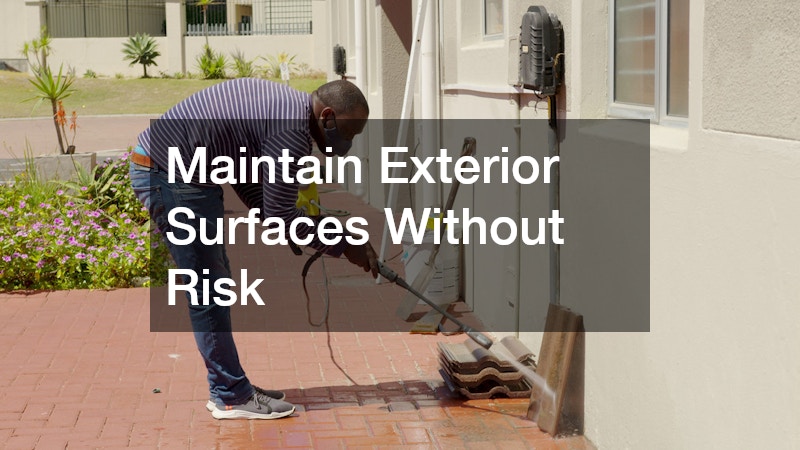
Cleaning and maintaining exterior surfaces is often one of the most approachable DIY tasks for homeowners, providing immediate visual results without extensive skill or specialized tools. Power washing, in particular, is highly effective at removing dirt, mildew, algae, and other buildup that accumulates on driveways, siding, decks, and patios over time. By maintaining clean exterior surfaces, homeowners not only improve the appearance of their property but also help prevent long-term deterioration caused by mold, mildew, and debris buildup, which can lead to costly repairs if neglected.
While power washing is accessible, it still requires attention to technique and safety to avoid damage. Using the correct pressure setting for each surface is essential—too high a setting can erode wood, damage paint, or crack concrete, while too low may not effectively remove grime. Protective gear, such as goggles and gloves, is important, and nearby plants or landscaping should be shielded from excessive water or cleaning agents. Following manufacturer guidelines and starting with a small, inconspicuous area helps ensure optimal results. By approaching exterior maintenance carefully, homeowners can safely keep their home looking fresh, extend the life of surfaces, and reduce future repair costs.
Using power washing effectively:
-
Select the proper pressure setting for different surfaces
-
Keep the nozzle moving to prevent damage
-
Use eco-friendly detergents to avoid harming landscaping
Routine exterior maintenance helps prevent deterioration, extends the life of surfaces, and enhances curb appeal. However, homeowners should avoid power washing delicate surfaces like old wood siding or weakened masonry, as high pressure can cause damage.
Upgrade Temperature Control Safely
Thermostats are an area where DIY is possible, but only under certain circumstances. Basic upgrades, such as replacing a simple wall-mounted thermostat with a programmable or smart version, are often manageable with clear instructions and minimal tools. However, improper installation can impact energy efficiency or even damage HVAC equipment.
Thermostat installation requires attention to:
-
Correct wiring for your specific HVAC system
-
Proper placement for accurate temperature sensing
-
Calibration after installation
When in doubt, consulting the product manual or a professional can prevent wasted energy and unnecessary repairs. This is particularly important for complex smart systems that integrate with multiple zones or require advanced programming.
Ensure Heating and Cooling Systems Are Handled Correctly
HVAC systems play a crucial role in maintaining indoor comfort and energy efficiency, but they are complex pieces of equipment that require specialized knowledge to service safely. Attempting repairs or modifications without proper training can result in costly mistakes, reduced system performance, or even personal injury. Components like compressors, evaporator coils, and refrigerant lines are delicate and often operate under high pressure, making DIY intervention risky. Additionally, improper handling of refrigerants can violate environmental regulations and safety standards, potentially leading to fines or hazardous exposure.
Certain tasks, such as ductwork modification, electrical connections, or system diagnostics, are particularly challenging for homeowners because they require precise calibration and understanding of airflow dynamics. Mistakes in these areas can decrease efficiency, increase energy bills, or cause permanent damage to the system. For example, poorly installed ducts can create air leaks that force the system to work harder, while incorrectly charged refrigerant lines can reduce cooling capacity or damage the compressor. Hiring an HVAC contractor ensures that all work complies with safety codes, maintains system efficiency, and protects both the home and its occupants from potential hazards.
Hiring an HVAC contractor ensures that:
-
Work complies with safety and legal standards
-
Energy efficiency is optimized
-
Long-term reliability of the system is maintained
DIY attempts on these systems can result in leaks, poor performance, or even injury. Routine maintenance such as filter replacement can be done safely by homeowners, but anything beyond that should be left to licensed professionals.
Address Roof Issues With Caution
Roof maintenance carries inherent risks that make it one of the more challenging home upkeep tasks. Working at heights, navigating steep slopes, and handling fragile materials all contribute to the potential for accidents, making safety a top priority. While some homeowners may feel comfortable performing minor tasks like clearing debris, inspecting shingles, or checking gutters, even these activities should be approached cautiously with proper safety equipment, such as harnesses, ladders, and non-slip footwear. Routine inspections help catch early signs of damage, such as curling shingles or small cracks, which can prevent more serious issues down the line.
More significant repairs, such as fixing leaks, replacing flashing, or addressing structural weaknesses, require specialized knowledge and experience. Improper repairs can lead to water intrusion, mold growth, and extensive damage to the roof deck and underlying structure. Professional roofers have the tools, training, and safety protocols to handle these tasks efficiently, ensuring that repairs are long-lasting and code-compliant. Engaging a professional also provides peace of mind, knowing that the work meets industry standards, reduces the risk of injury, and protects the home’s value over the long term.
Roof repair projects require knowledge of:
-
Proper materials for specific roof types
-
Correct installation techniques to prevent water intrusion
-
Safety precautions for working at heights
Attempting significant roof repairs without proper experience can lead to accidents and ineffective fixes. Professional roofers ensure that problems are properly diagnosed and corrected, which protects the home and avoids further costly damage.
Improve Energy Efficiency Safely
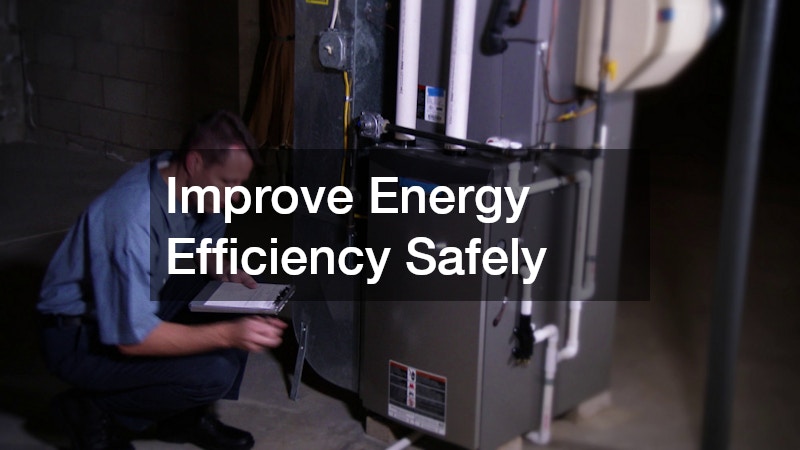
Insulation projects can improve energy efficiency and comfort while reducing heating and cooling costs. Simple tasks like adding weatherstripping around doors or insulating small accessible areas can be DIY-friendly. However, full attic insulation, spray foam application, or retrofitting walls and crawlspaces often requires professional expertise to ensure effectiveness and safety.
Insulation services provide:
-
Accurate measurement and installation
-
Materials suited for your climate and home type
-
Proper handling to prevent hazards such as dust inhalation or chemical exposure
By hiring professionals for complex insulation tasks, homeowners maximize energy savings and avoid common mistakes that can undermine DIY efforts.
Manage Water Flow Around Your Home
Keeping gutters and downspouts functional is critical to prevent water damage to the foundation, basement, or landscaping. Cleaning debris and checking for visible leaks can often be handled by homeowners. However, major gutter installations or repairs on multi-story homes often require professional tools and expertise.
Local gutter contractors can provide:
-
Safe installation of new systems
-
Repairs that prevent leaks or overflow
-
Guidance on proper slope and drainage
Professional work ensures water is directed away from vulnerable areas, protecting the home’s structure and preventing costly repairs in the future.
Prevent and Repair Basement Water Issues
Basement leaks and flooding are serious problems that require specialized knowledge and equipment to address effectively. While minor sealing or sump pump maintenance may be manageable for experienced DIYers, most waterproofing projects need professional assessment and installation.
Basement waterproofing companies can:
-
Diagnose hidden sources of water intrusion
-
Install drainage systems, sump pumps, and sealing membranes
-
Prevent long-term structural damage and mold growth
Attempting major basement waterproofing without expertise can lead to ineffective solutions and increased costs over time. Professional intervention ensures that water issues are fully addressed, protecting both the home and health of occupants.
Upgrade Bathrooms Safely and Efficiently
Bathrooms are high-use areas where both aesthetics and function matter. Small improvements, like replacing caulking, painting, or installing new fixtures, are often safe for DIYers. Major renovations, including plumbing reroutes, tiling, or complete bathroom remodeling, should be handled by professionals to ensure code compliance and avoid water damage.
Bathroom remodeling projects may include:
-
Installing durable, water-resistant materials
-
Updating plumbing and electrical systems safely
-
Enhancing layout for functionality and comfort
Professional work ensures that all elements are installed correctly, reducing maintenance needs and preventing long-term problems.
Handle Electrical Work With Extreme Care
Electrical projects come with significant risks, ranging from electrical shocks and fire hazards to damage to appliances and home systems. Even seemingly simple tasks can become dangerous if the homeowner lacks proper knowledge or equipment. While replacing light bulbs, swapping out switch plates, or installing plug-in devices can generally be done safely, any work involving wiring inside walls, breaker panels, or high-voltage circuits requires extreme caution. Mistakes in these areas can lead to short circuits, power outages, or fires, making the consequences of improper DIY work potentially severe.
Licensed electricians bring the expertise and training necessary to handle complex electrical work safely and efficiently. They understand local building codes, proper wiring techniques, and the correct use of materials and safety equipment. Tasks like panel upgrades, installing new circuits, or troubleshooting electrical faults require diagnostic tools and technical know-how to ensure everything functions reliably and safely. By hiring a professional, homeowners reduce the risk of injury, protect their property, and ensure that electrical systems operate efficiently and code-compliantly, preventing costly repairs and enhancing overall home safety.
Electricians provide:
-
Safe, code-compliant installations
-
Proper handling of high-voltage systems
-
Troubleshooting for hidden electrical issues
Hiring a professional ensures safety and reliability, preventing costly errors and protecting both the home and occupants from serious hazards.
Deciding when to DIY and when to call a professional requires careful consideration of safety, complexity, and potential consequences. While small, low-risk tasks can save money and provide satisfaction, more complicated or hazardous repairs are often best left to licensed professionals. Understanding the limits of your expertise and recognizing when professional intervention is necessary ensures that your home remains safe, efficient, and well-maintained. By balancing DIY efforts with strategic use of skilled contractors, homeowners can protect their property, prevent costly mistakes, and achieve long-term savings.