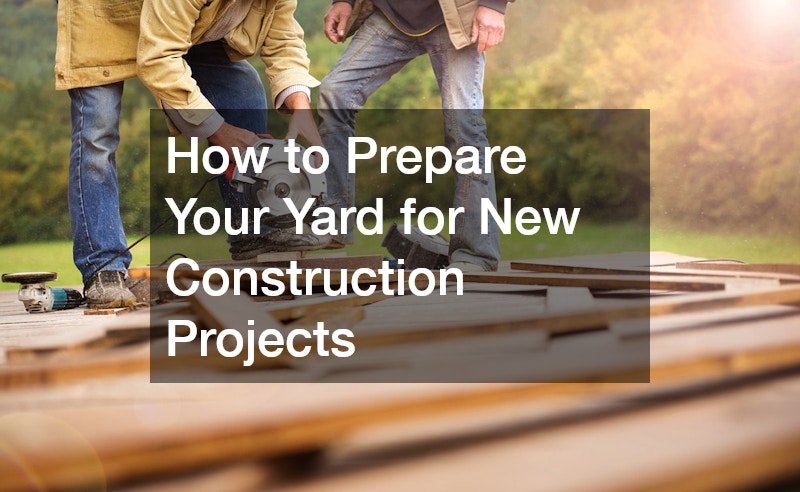
Starting a new construction project in your yard can be both exciting and overwhelming. Whether you’re planning a patio, driveway, deck, or pool, proper preparation is essential to ensure that your project goes smoothly. Failing to adequately prepare the site can lead to delays, unexpected expenses, and structural problems down the line.
Preparation begins with careful planning and assessment of your yard. Understanding the layout, identifying problem areas, and establishing a clear vision for the finished project are critical first steps. In this guide, we’ll walk you through actionable tips for prepping your yard, from clearing debris to coordinating professional services, helping you avoid common pitfalls and create a solid foundation for your project.
Assess Your Yard and Plan Your Layout

Before any work begins, take a close look at your yard. Walk the space and identify uneven areas, drainage issues, slopes, and locations of existing landscaping features. Create a rough sketch or use digital tools to map out the placement of structures such as patios, driveways, gardens, or pools. A clear plan will help prevent mistakes and minimize unnecessary excavation later.
Consulting a local general contractor early in the process can save you significant headaches. A contractor can evaluate your yard for potential issues such as soil instability, water runoff, or hidden utilities. Their expertise can also help determine whether certain areas require grading or reinforcement before construction begins.
When designing your layout, consider access points for construction equipment and material delivery. Planning the sequence of work can prevent the need for repeated adjustments and make the project more efficient.
If you plan to install a new driveway or revamp an existing one, working with a driveway contractor during the planning stage can be highly beneficial. They can help you determine the ideal location, slope, and dimensions to accommodate vehicles while maintaining proper drainage. A contractor’s guidance ensures that your driveway is functional, safe, and durable over the long term.
Clear and Prepare the Site
Once you’ve mapped out your project, it’s time to prepare the yard physically. Start by removing debris, old structures, or overgrown vegetation. Trees, large shrubs, and garden beds may need to be relocated or removed entirely to create space for construction.
Tree removal is a critical part of this process, especially for projects that involve heavy machinery or extensive landscaping changes. Removing trees not only prevents interference during construction but also reduces the risk of root damage to new structures. When planning tree removal, consider the tree’s size, location, and potential impact on nearby plants or utilities.
After removing trees, it’s important to address leftover stumps, which can obstruct construction and pose safety hazards. Local stump grinding services can efficiently eliminate stumps, leaving the ground level and ready for excavation, grading, or landscaping. Grinding stumps also prevents future issues like regrowth, tripping hazards, or interference with irrigation systems.
Finally, level the ground as needed. Fill low spots, remove mounds, and ensure proper drainage to reduce the risk of water pooling near new structures. Leveling will make it easier to install patios, driveways, or foundations correctly, and it ensures the longevity of your project.
Assess and Upgrade Ground Materials

A solid foundation is critical for any construction project. Determining which areas require concrete, asphalt, or gravel early on allows for accurate planning and reduces delays. Assess your soil stability and make improvements where necessary to support heavy installations like garages, pools, or large patios.
Working with a local concrete supplier ensures you have access to high-quality materials suited to your project. Suppliers can advise on the best mix for your specific needs, whether it’s a standard concrete slab, decorative finish, or reinforced structure. They can also help you estimate quantities to avoid over-ordering or running short mid-project.
When you’re ready to pour concrete, using a concrete delivery service can simplify the process significantly. Delivery services ensure that the material arrives on time, in the right quantity, and with minimal effort on your part. Coordinating delivery with your construction schedule is essential to prevent delays and to ensure the concrete is poured at optimal times for curing and strength.
Consider testing small sections of your soil and base materials before full-scale installation. Compacting the soil, checking for drainage, and performing a small concrete pour trial can reveal potential problems early, saving time and money later. This proactive step ensures that your groundwork is ready for long-term durability.
Plan for Paving and Driveways
For many yard projects, driveways and walkways are key components that influence both usability and curb appeal. Precise planning ensures these surfaces are functional, durable, and visually cohesive with the rest of your property. Begin by outlining the locations of driveways and walkways using stakes, string lines, or marking paint, then take careful measurements to confirm widths, turning radii, and clearances. It’s also important to consider how vehicles and foot traffic will move through the space, as well as how water will naturally flow across paved areas.
Hiring paving contractors can save both time and potential mistakes, especially for projects involving larger surfaces or complex layouts. Experienced professionals understand how to properly grade the area, prepare a stable base, and install materials to withstand long-term use. They can also account for local climate conditions and soil types, which play a major role in how paving materials perform over time. Proper drainage planning is another key benefit, as poorly managed runoff can lead to cracking, pooling water, or premature surface failure.
For asphalt projects, an asphalt paver plays a central role in achieving a smooth, even, and durable surface. Understanding the basics of asphalt installation—such as the importance of proper temperatures, consistent compaction, and timely rolling—helps homeowners better coordinate the process and set realistic expectations. A well-prepared subgrade, combined with professional paving equipment, ensures the asphalt bonds correctly and resists issues like rutting, shifting, and surface deterioration as vehicles repeatedly pass over it.
Beyond the main surface, it’s important to think about the edges and borders of your driveway or paving project. Adding curbs, edging stones, or compacted gravel borders helps prevent erosion and keeps asphalt or concrete securely in place. These finishing details also define the space visually, creating clean lines that enhance the overall appearance of your yard. Thoughtful edging reduces long-term maintenance by minimizing edge breakdown, weed growth, and surface spreading over time.
Coordinate With Specialized Contractors

Certain projects, such as installing a pool or adding major landscaping features, require specialized expertise that goes beyond general yard preparation. Planning ahead ensures these contractors can complete their work efficiently and in the proper sequence without interfering with one another. Early coordination helps avoid scheduling conflicts, equipment access issues, and unnecessary rework that can arise when multiple trades are involved. It also allows you to anticipate how one phase of construction may affect another, especially when excavation or heavy machinery is required.
If your project includes an inground pool, working with an inground pool installer is essential from the earliest planning stages. These professionals can assess the site for soil stability, drainage patterns, and access requirements for excavation equipment. Pool installation typically involves extensive digging, plumbing lines, electrical connections, and inspections, all of which must be carefully timed. Scheduling pool installation before final paving or landscaping helps prevent damage to completed surfaces and ensures the pool integrates smoothly into the overall yard design.
Driveway contractors should also be factored into the project timeline when coordinating multiple construction elements. Aligning driveway installation or resurfacing with other major work prevents heavy equipment from cracking or scarring finished pavement. Proper sequencing also ensures that grading and drainage around the driveway complement nearby features such as patios, retaining walls, or pool decks. Thoughtful coordination between trades reduces downtime, improves efficiency, and helps maintain the integrity of completed work.
Maintaining open communication between all contractors involved is one of the most effective ways to keep a complex project running smoothly. Scheduling joint site visits or regular check-ins allows everyone to review progress, confirm timelines, and address potential challenges before they become problems. Clear communication about access routes, material deliveries, and work zones minimizes disruptions, keeps the project on track, and helps avoid costly surprises that could delay completion.
Clean and Maintain the Area Before Construction
A clean, organized construction site reduces risks, prevents delays, and creates a better working environment for both DIYers and professionals. Removing dirt, mud, and algae from existing surfaces ensures that new materials adhere properly and last longer.
A pressure washing service is invaluable for this stage of yard preparation. Cleaning existing driveways, patios, or walkways removes grime that could interfere with construction materials or create slipping hazards. Pressure washing also helps identify cracks or weak spots that may require attention before starting major projects.
In addition to cleaning, maintain materials on-site in a safe, organized manner. Keep bags of concrete, pavers, or gravel covered and off wet ground to prevent contamination or spoilage. Proper storage minimizes waste and ensures that materials are ready for use when needed. Taking time to label and group materials by project phase can also speed up installation and reduce confusion during construction.
Remove weeds, moss, or other vegetation that may grow in cracks or low spots. Pre-treating these areas with eco-friendly weed killers or physical removal helps prevent growth that could interfere with concrete, asphalt, or other materials, ensuring a longer-lasting finish. Addressing vegetation early also reduces the risk of regrowth pushing through newly installed surfaces over time.
Plan for Safety and Access

Safety and accessibility are critical considerations during yard preparation. Designate clear pathways for construction workers and machinery, and remove obstacles that could impede progress. Keep pets and children away from the work area, and use temporary barriers to protect existing landscaping you want to preserve.
Engaging a local general contractor can help you establish a safe and efficient workflow. Contractors can assess hazards, develop a plan for equipment movement, and suggest ways to protect your property during construction. They also ensure that workers comply with safety standards, reducing the risk of accidents or damage.
Proper access planning includes identifying staging areas for materials, machinery, and temporary storage. These areas should be easily reachable without disrupting ongoing work and should minimize soil compaction or damage to existing landscaping.
Clearly mark utility lines, irrigation pipes, and sprinkler systems before construction begins. Knowing the location of underground utilities helps prevent accidental damage and ensures that equipment movement and digging are safe for both workers and your property.
Prepare for Long-Term Yard Management
Even after the construction is complete, maintaining a functional and attractive yard requires ongoing planning. Consider irrigation, landscaping, and long-term grading to prevent water pooling and promote healthy plant growth.
Tree removal may be necessary not only during initial site preparation but also for ongoing maintenance. Removing problematic trees ensures they don’t interfere with structures, shade areas that require sunlight, or drop roots that could damage foundations.
Local stump grinding is another important step for long-term yard management. Ground stumps prevent tripping hazards, allow for new plantings, and reduce the likelihood of pest infestations. Routine stump maintenance keeps your yard safe and ensures that your newly constructed features remain unobstructed and visually appealing.
Plan for seasonal maintenance by designing access paths and storage areas for lawn equipment, garden tools, and cleaning supplies. Having a well-organized yard allows you to maintain your landscaping and structural elements efficiently, ensuring your investment remains in excellent condition for years to come.
Proper yard preparation is the foundation of any successful construction project. By carefully planning the layout, clearing and leveling the site, coordinating with contractors, and managing materials, homeowners can avoid costly mistakes and enjoy a smoother building process.
Whether you’re installing a driveway, patio, pool, or other outdoor features, combining DIY preparation with professional guidance ensures both safety and quality. Taking the time to assess your yard, clean and organize the space, and plan for long-term maintenance sets the stage for a beautiful, functional, and durable outdoor area. With thorough preparation, your yard can be transformed into a space that meets your needs while enhancing your property’s value and appeal.