
Owning a home is a rewarding experience, but it also comes with a fair share of responsibilities. Over time, every home—no matter how well-built or well-maintained—requires repairs, improvements, and small fixes to keep everything safe, functional, and comfortable. The more familiar homeowners become with common repair needs, the better prepared they are to handle issues that arise. Learning how to recognize early warning signs, understanding basic troubleshooting, and knowing when to call a professional can save both time and money in the long run.
This guide is designed to help homeowners gain confidence in handling ten of the most common house repairs. Whether it’s replacing damaged shingles, fixing leaky plumbing, upgrading a water system, or addressing cracked concrete, these tasks are part of routine home ownership. Some repairs are simple enough to learn over a weekend, while others require skilled tradespeople or specialized knowledge. Either way, being proactive pays off. A small leak can turn into costly structural damage, and a minor electrical issue can become a fire hazard.
By understanding common home repair needs, homeowners can stay ahead of problems, protect their investment, and enjoy safer, more efficient living spaces. This article breaks down ten essential areas to watch, what causes issues in each category, and how to approach repairs—whether doing it yourself or hiring a professional.
Roofing And Shingle Issues
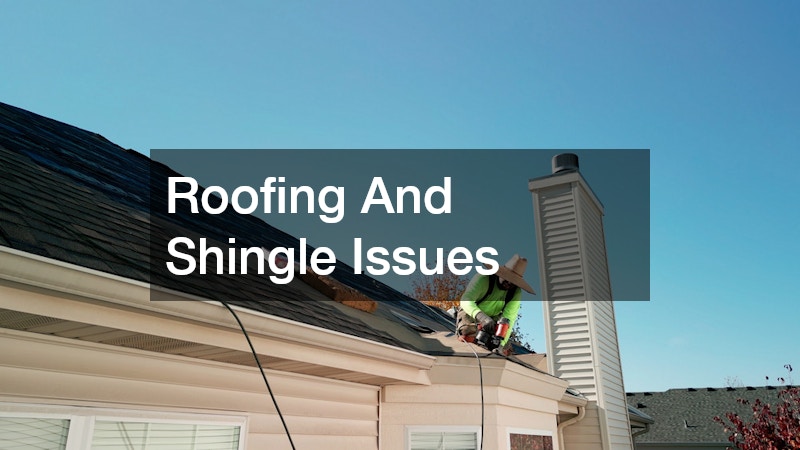
A leaking or damaged roof can lead to interior water damage, mold, rot, and deteriorating insulation. One of the most noticeable warning signs homeowners encounter is missing, curling, or cracked shingles. Shingles may break down due to storms, wind uplift, UV exposure, age, or improper installation. Small leaks often begin around flashing, chimneys, or vent openings. Chimney leaks are a common source of roof-related water problems, especially during storms, and should not be overlooked. Homeowners should routinely check the roof for discoloration, granule loss, or soft spots.
During heavy rain, water can penetrate these vulnerable areas, and chimney leaks in heavy rain can be particularly damaging if left unaddressed. These leaks can allow water to seep down the chimney walls and into ceilings, walls, or attics, causing mold growth, stains, and structural deterioration.
When repairs are needed, hiring a qualified roofer is often the best approach because the job requires specialized safety equipment and proper installation techniques. Roofing materials vary widely—such as asphalt shingles, metal panels, and tiles—and each demands unique tools and repair strategies. Smaller jobs, like replacing a handful of shingles or applying sealant around flashing, may be manageable for some homeowners, but anything beyond minor patching typically requires a professional.
Regular roof inspections help prevent expensive structural problems. If water intrusion goes unnoticed, rafters and fascia boards can rot, causing sagging and weakening. Interior damage can spread to drywall, flooring, and electrical systems. To extend the lifespan of a roof, homeowners can keep gutters clean, trim overhanging branches, and inspect problem areas after storms.
Ultimately, addressing roofing issues early helps protect the entire home from moisture damage and instability. Roofing repairs are among the most common—and most crucial—maintenance needs for any homeowner.
Electrical Repairs And Safety Precautions
Electrical systems are essential to everyday living, powering appliances, lighting, heating, cooling, and modern technology. However, electrical issues can also pose serious risks if ignored. Flickering lights, frequently tripped breakers, buzzing outlets, and warm switch plates are all signs that an electrical component may need attention. In older homes especially, wiring systems may deteriorate or fail to meet current safety standards.
Most homeowners should avoid tackling major electrical repairs independently. Residential electricians have the expertise and licensing required to work safely around high-voltage systems. Attempting repairs without training can lead to electrocution, fire risk, or further damage to the system. That said, some small tasks—such as changing outlet covers, replacing light fixtures, or resetting breakers—may be manageable for experienced DIYers.
Electrical fire risk increases significantly when wiring is outdated, overloaded, or improperly connected. If lights dim when appliances turn on, or if breakers constantly trip, a more serious underlying issue may be present. In these cases, a licensed electrician should inspect the panel, circuits, and overall load capacity to ensure the system is safe and efficient.
Routine electrical maintenance doesn’t just improve safety. It also supports energy efficiency, reduces appliance damage, and prepares the home for future upgrades. Whether installing additional outlets, replacing broken switches, or performing a full rewiring project, electrical work should never be taken lightly.
Plumbing Leaks And Water Damage
Plumbing leaks can occur in any home and often start small without immediately attracting attention. A dripping faucet, damp cabinet, or stain on the ceiling may seem minor at first, but even small amounts of water can create significant damage over time. Corrosion, loose fittings, water pressure fluctuations, and temperature changes are all common causes of plumbing issues.
One of the most effective strategies homeowners can take is routine visual inspection. Looking under sinks, around tubs and toilets, along appliance water lines, and behind washing machines can help detect leaks early. Many homeowners also choose to install moisture sensors for added peace of mind.
More severe leaks—such as pipe bursts—can cause structural decay, mold growth, electrical hazards, and warped flooring. The sooner water damage is detected, the more affordable and manageable the repair will be. Professionals may use tools like thermal imaging, moisture meters, and pipe cameras to locate hidden leaks behind walls or beneath flooring.
Homeowners should also understand that plumbing maintenance extends beyond pipes. Appliance hoses, water heaters, sump pumps, sprinklers, and outdoor faucets all require periodic inspection. Changing filters, flushing sediment buildup, and tightening loose fittings can significantly extend system life.
DIY plumbing repairs are possible for confident homeowners, but more complex problems should be left to professional plumbers. When in doubt, always consult an expert.
Wall, Ceiling, And Drywall Repairs
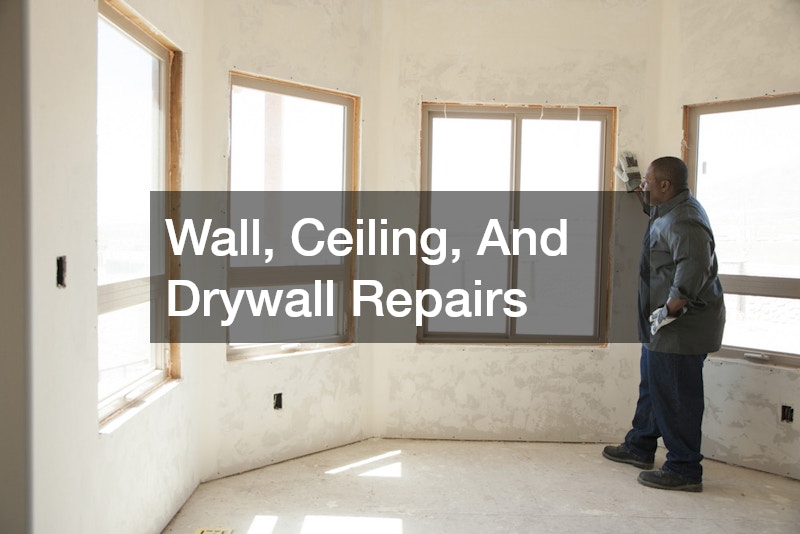
Walls and ceilings experience normal wear and tear over time. Drywall is particularly vulnerable to moisture, impact damage, shifting foundations, and settling. Hairline cracks commonly appear around window frames, corners, and doorways as the home expands and contracts. Larger cracks may signal deeper structural movement.
Repairing drywall is a common project for homeowners. Small holes from nails or screws can be patched with spackle, sanded smooth, and repainted in an afternoon. Medium-sized dents may require mesh reinforcement and two or more rounds of sanding. More extensive damage, such as sagging ceilings or widespread mold, calls for professional restoration.
Water stains on drywall often indicate a roof leak, plumbing issue, or condensation problem. In these situations, repairing the drywall alone is not enough. Homeowners must identify and correct the source of moisture first. Otherwise, mold may return and structural deterioration will continue.
It is also important to consider texture and blending when making drywall repairs. Newly patched areas may stand out if the texture does not match the original surface. Many homes have textured ceilings or walls, requiring specific application tools.
By staying ahead of drywall issues, homeowners improve indoor aesthetics and comfort, while preventing long-term deterioration.
Flooring Repairs And Replacement
Floors endure constant wear and tear from foot traffic, moisture, temperature shifts, and furniture movement. Over time, hardwood can scratch or buckle, laminate can swell, tile can crack, and carpet can stain or fray. Fortunately, many flooring repairs are manageable with basic tools and materials.
Hardwood floors are among the easiest to refresh. Scratches can often be buffed out, while deeper gouges may require sanding and refinishing. When boards buckle or separate, humidity is often the cause. Installing a vapor barrier or controlling indoor moisture may prevent future movement.
Tile floors are durable but vulnerable to impact damage. Single-tile replacement is possible if matching pieces are available. Regrouting can also revive older tile without replacing the surface material.
Laminate flooring is affordable and common, but moisture damage can cause warping. If water seeps beneath the boards, sections may need replacement. Preventive care—wiping spills quickly and using protective mats—helps protect laminate surfaces.
Carpet generally requires professional cleaning for best results, but small tears or seam issues may be repairable with simple patch kits.
Routine flooring maintenance not only enhances interior appearance but also supports home value.
Heating Systems, Fireplaces, And Chimneys
Many homes rely on fireplaces, wood-burning stoves, or central heating systems for warmth and efficiency. While these systems create a cozy atmosphere, they also require ongoing maintenance to operate safely. Creosote buildup inside chimney walls is one of the most common issues homeowners encounter. Left untreated, creosote becomes a fire hazard and can restrict ventilation.
For gas fireplaces, problems often involve ignition systems, valves, pilot lights, or ventilation obstructions. Homeowners may also notice soot accumulation, gas odors, or unusual noises during operation.
If fire-related damage occurs due to a malfunction, fire damage restoration may be necessary. Restoration specialists assess structural integrity, clean soot, eliminate smoke odors, and repair affected building materials. This type of work requires expertise in ventilation, insulation, and masonry.
Routine chimney cleaning is essential to reduce risk and improve air quality. Annual inspection is recommended, along with cleaning ash buildup and checking for cracks in the chimney liner. Gas and electric systems should also be inspected for wear and leaks.
A well-maintained heating system extends energy efficiency and ensures a safer indoor environment.
Water Quality And Filtration Systems

Clean, safe water is essential to every household. A water filtration system helps remove contaminants such as chemicals, sediment, minerals, and bacteria, improving taste and quality. Over time, filters accumulate debris and lose efficiency, so routine maintenance is critical.
The most common signs that a system needs servicing include reduced water pressure, cloudy water, unusual odors, or mineral buildup on sinks and faucets. Some systems require monthly filter replacement, while others use long-term cartridges. Homeowners should review filter specifications to determine ideal maintenance cycles.
Filtration systems vary widely in design. Some are installed at a single faucet, while others filter water throughout the entire home. Larger systems may require periodic flushing, backwashing, or testing. If water runs discolored after heavy use or sediment collects around drains, cleaning and servicing can restore normal flow.
For homeowners who notice persistent plumbing corrosion or mineral buildup on fixtures, filtration upgrades may help prolong the life of pipes and appliances. Working with water treatment specialists ensures proper installation and system accuracy.
A well-maintained filtration system provides reliable water quality and peace of mind.
Garage Door And Exterior Equipment Maintenance
Garage doors are one of the most frequently used moving parts in a home, yet they are often overlooked. With daily exposure to weather, weight, movement, and mechanical friction, wear is inevitable. Common problems include misaligned tracks, malfunctioning openers, broken springs, or damaged panels.
A garage door repair professional can inspect the entire mechanism, replace worn components, lubricate moving parts, and test safety sensors. Homeowners may be able to tighten screws, clear tracks, replace remote batteries, or install new weather stripping, but more complex repairs require expertise.
Exterior maintenance often extends beyond the garage. Many properties feature driveways, patios, gardens, and walkways that require seasonal attention. Power washing, pressure sealing, and concrete patching can prevent deterioration over time.
For homeowners with larger yards, lawn mower repairs are another common need. Blades, belts, spark plugs, and filters wear out with heavy use. Regular engine maintenance helps extend equipment life and improve yard care efficiency.
Exterior repairs enhance curb appeal, improve safety, and protect long-term value.
Window, Glass, And Door Improvements
Windows and doors influence energy efficiency, comfort, security, and appearance. Over time, seals may dry out, glass may crack, and frames may loosen. Seasonal temperature changes cause expansion and contraction, which can shift alignment. Drafts, condensation, sticking doors, and visible gaps are all signs of needed repairs.
Custom glass replacements are popular solutions for damaged or outdated windows. Today’s glass options include insulated, tinted, tempered, and decorative varieties. Upgraded windows can improve heating and cooling efficiency, reduce outdoor noise, and update exterior style.
Door problems typically involve misaligned hinges, worn weather stripping, damaged locks, or warping. Simple fixes may include tightening screws, sanding friction points, or replacing seals. More advanced repairs—like reframing or installing reinforced glass—may require professional installation.
When windows and doors function properly, homeowners save on energy bills and enjoy improved comfort throughout the year.
Structural And Foundation Issues
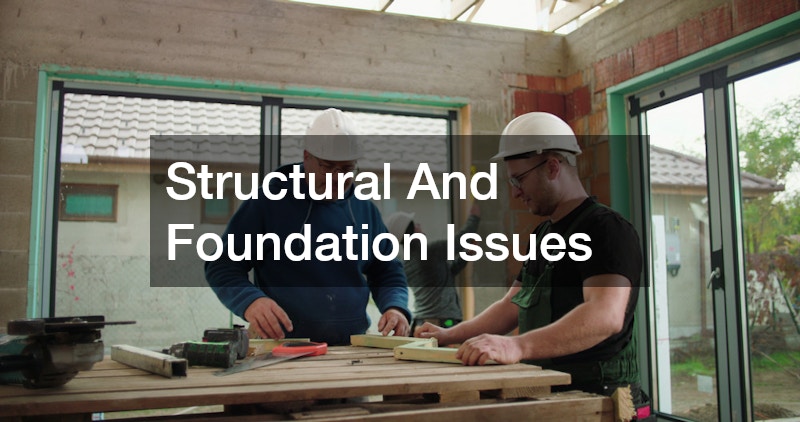
One of the most critical areas of concern in any home is structural stability. Foundation damage can develop slowly and remain undetected until small cracks become major hazards. Common warning signs include sticking doors and windows, uneven floors, sloping walls, and large cracks in concrete or brick.
Foundation repair specialists are trained to diagnose root causes, which may include soil erosion, water intrusion, seismic movement, or improper drainage. Solutions range from minor patching to full structural reinforcement. Piering, slab stabilization, and drainage corrections may be required in severe cases.
If structural movement affects framing, roofing, or flooring, secondary repairs may also be needed. Because foundation issues worsen over time, early intervention is essential. Waiting too long can lead to sagging beams, broken plumbing lines, and compromised insulation.
Exterior drainage control helps prevent ongoing damage. Gutter extensions, grading adjustments, and moisture barriers can protect the soil surrounding the foundation and reduce stress.
Addressing structural concerns early protects household safety and preserves long-term property value.
Appliance Maintenance And System Failures
Household appliances are essential for comfort and convenience. Refrigerators, dishwashers, ovens, water heaters, washing machines, and HVAC systems all require periodic maintenance to function reliably. Neglect often leads to premature breakdowns and expensive replacements.
Simple measures—like cleaning vents, inspecting hoses, replacing filters, and monitoring performance—go a long way toward preventing malfunctions. Energized components, moving parts, and electrical connections wear out over time.
In addition to large appliances, smaller devices like outdoor mowers, generators, and power tools require maintenance to perform well. When mechanical parts are lubricated and tuned, equipment lasts longer and works more efficiently.
Routine appliance care supports indoor comfort, reduces utility costs, and helps avoid inconvenient failures.
Signs It’s Time To Call A Professional
Some home repairs are perfect for ambitious DIYers, but others require licensed specialists. Safety hazards are the most important concern, especially when dealing with electrical, structural, and mechanical systems.
Residential electricians should always be consulted for significant wiring modifications, panel upgrades, or circuit troubleshooting. A roofer should handle major leaks or storm damage. Foundation repair crews must evaluate structural movement and soil conditions. Fire damage restoration professionals are necessary after heat, soot, or smoke incidents.
For equipment and moving parts—such as lawn mower repairs or garage door repair—professional service helps prevent further damage or injury.
If a homeowner is unsure whether to attempt a repair independently, the safest option is to consult a professional. Expert evaluation often prevents bigger and more costly problems.
Preventative Maintenance Tips For Homeowners
Preventative maintenance is one of the best ways to minimize repair costs and avoid emergencies. Homeowners can schedule seasonal inspections, keep gutters clean, test smoke detectors, maintain heating systems, and check plumbing lines.
Installing a water filtration system, sealing air leaks, reinforcing insulation, and upgrading outdated electrical components are simple improvements that increase long-term safety and efficiency. Exterior walkway maintenance, landscaping care, and routine painting also play important roles in protecting structural surfaces.
Homeowners who keep detailed maintenance records—such as service dates, repairs, and upgrades—can plan ahead more effectively. Staying proactive is always more cost-efficient than reacting to emergencies.
Every home requires maintenance, repairs, and occasional upgrades. While some projects are small enough to handle independently, many demand the skills of specialized professionals. Homeowners who learn how to identify repair needs early are better equipped to protect their homes, avoid costly emergencies, and maintain overall safety and comfort. A strong understanding of common repair categories—including roofing, plumbing, flooring, heating, electrical systems, and structural support—empowers homeowners to make informed decisions.
Preventive care often begins with routine inspection: checking for leaks, cracks, mechanical damage, and performance changes. Addressing minor issues early helps prevent larger failures down the road. Whether calling a foundation repair specialist to inspect shifting concrete, working with a roofer to replace storm-damaged shingles, hiring residential electricians to troubleshoot wiring, or contacting fire damage restoration crews after a heating malfunction, professional support plays a crucial role in long-term property care.
Ongoing maintenance also includes caring for exterior elements and appliances—garage door repair services, window upgrades, lawn mower repairs, and custom glass replacements all help improve property value and daily convenience.
Owning a home is a journey. With the right knowledge, preparation, and professional partnerships, homeowners can enjoy lasting durability, safety, and comfort for years to come.