Maintaining the integrity of your roof and chimney is crucial for the safety, comfort, and value of your home. Regular inspections allow you to identify issues early, prevent costly damage, and ensure that your home remains a secure shelter for you and your family. While roofing and chimney inspections can seem intimidating, you don’t always need professional help to spot common problems. By learning what to look for and following safe practices, you can evaluate your roof and chimney effectively and determine when to call in an expert.
In this guide, we will walk you through detailed steps for inspecting your roof and chimney safely, from preparing the right equipment to identifying both obvious and hidden damage. These tips will help you protect your home, extend the lifespan of your roof, and save money in the long run.
Prepare Proper Safety Equipment Before You Climb
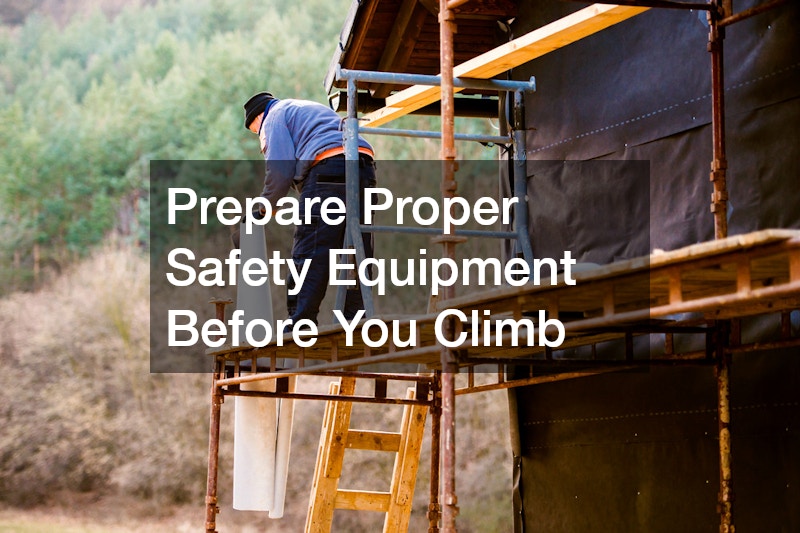
Before attempting any roof inspection, safety should be your top priority. The roof is one of the most dangerous areas in a home, and falls are a common hazard. Equipping yourself with the proper tools and gear reduces the risk of accidents and allows you to inspect your roof with confidence.
Essential safety equipment includes:
- A sturdy ladder with non-slip feet, properly angled and secured
- A roof harness or fall arrest system for extra security
- Non-slip shoes or boots with good traction
- Protective gloves and safety glasses
- A helper or spotter to assist with ladder stability
It’s also important to check weather conditions before climbing. Avoid inspections during rain, snow, or strong winds, as wet and icy roofs increase the risk of slipping. If you are uncomfortable with height or your roof has steep angles, it is safer to hire a roofing company. They have the expertise, equipment, and insurance to inspect roofs without risk. Taking this precaution prevents injuries and ensures that potential problems are identified safely.
Conduct a Visual Ground-Level Assessment
A ground-level inspection is an excellent first step and allows you to identify potential issues without climbing onto the roof. Using binoculars, you can scan the roof for visible damage such as missing shingles, sagging areas, or debris accumulation. This initial evaluation helps you prioritize which areas need closer examination and can even help prevent unnecessary climbs if issues are minor.
Key things to look for include:
- Shingles that appear cracked, curled, or missing
- Areas of discoloration or water staining on the roof or siding
- Accumulation of leaves, branches, or debris along roof valleys
This method is also helpful for spotting subtle issues like granule loss on asphalt shingles or rust spots on metal roofing. Identifying these warning signs early can help you plan roof repairs before minor issues escalate into major problems. Even small cracks or gaps can lead to leaks and water damage if left unchecked, making timely roof repairs essential for maintaining your home’s integrity.
Inspect the Roof Surface Carefully
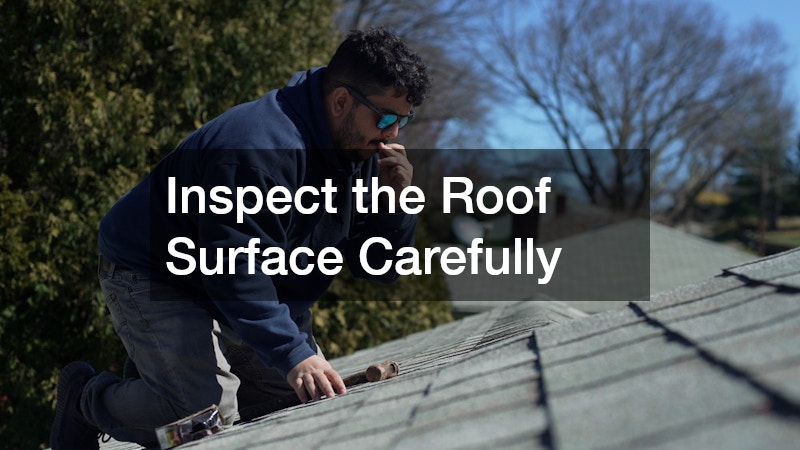
Once you have identified areas of concern from the ground, inspecting the roof surface directly is the next step. Walking safely on a roof requires attention to weight distribution and avoiding weak spots that could give way. Always step lightly and avoid walking on visibly damaged areas. If you feel unsure about stepping onto the roof, consider using a drone for a close-up view or hiring a roofer.
When on the roof, carefully examine:
- Cracked or missing shingles, noting any patterns or areas of recurring damage
- Curling or warped shingles, which may indicate age-related deterioration or water infiltration
- Damaged flashing around chimneys, vents, and roof edges
- Signs of water pooling or mold growth in valleys and low spots
A roofer can provide professional insights into the severity of the damage, helping you determine whether repairs can be handled on your own or require professional intervention. Their experience can be especially valuable for older roofs, complex roof structures, or areas where water damage is already evident. Even small problems detected during inspection can save homeowners significant costs if addressed promptly.
Examine Gutters and Downspouts
Gutters and downspouts play a critical role in protecting your roof and home from water damage. Clogged gutters can prevent proper drainage, causing water to back up and infiltrate your roof and siding. Inspecting these areas during your roof check can reveal hidden issues that might otherwise go unnoticed.
Tips for gutter and downspout inspection:
- Remove leaves, twigs, and other debris using a scoop or gloved hand
- Look for rust, leaks, or detached sections that could affect water flow
- Check for signs of water damage along the fascia, roof edges, and siding
Additionally, pay attention to the pitch of your gutters to ensure water flows correctly toward downspouts. Water pooling in gutters can erode fascia boards and shingles over time. If gutter issues are extensive or associated with roof damage, a professional roofing service can assist. They have the tools and expertise to safely clean, repair, or replace gutters and ensure that your roof’s drainage system is functioning optimally.
Check Chimney Structure and Masonry
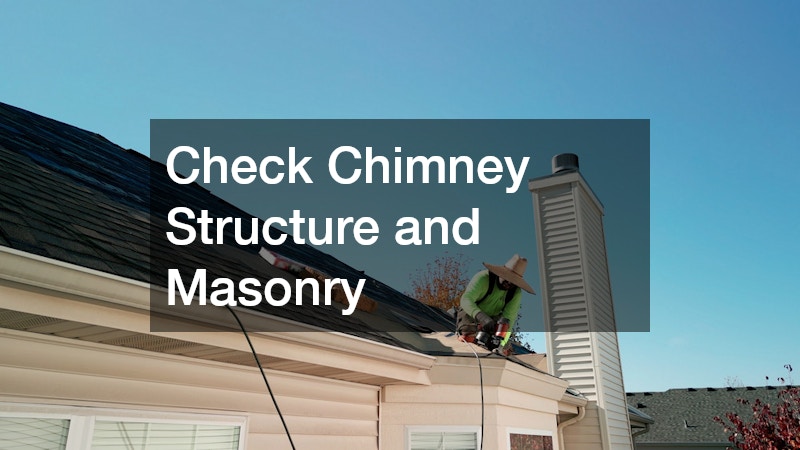
Chimneys are particularly vulnerable to weather and structural wear. Inspecting your chimney carefully can prevent leaks, fire hazards, and costly repairs. Start with the exterior and flashing, and look for cracks, loose bricks, or water stains that could signal a serious problem.
Chimney inspection steps include:
- Checking for mortar deterioration or missing bricks, which can compromise structural stability
- Inspecting flashing for gaps, rust, or lifting that may allow water infiltration
- Looking for signs of water penetration or discoloration on the chimney crown or walls
Don’t forget to examine the chimney from multiple angles. A damaged chimney can lead to water damage inside the attic and create serious safety risks. If you notice significant damage or instability, scheduling chimney repair early can save money and prevent further deterioration. Addressing minor cracks or leaks promptly is far less expensive than rebuilding or extensive masonry repairs.
Assess Flashing, Vents, and Skylights
Flashing, vents, and skylights are common points of vulnerability for water intrusion. Even a small crack in the flashing can allow water to seep into the attic, causing mold growth and structural damage. Inspect each component carefully and make note of any signs of deterioration.
What to look for:
- Cracks or gaps in flashing, especially near chimneys and vent pipes
- Loose or missing vent covers, which can invite pests and water damage
- Rust, water stains, or leaks around skylights
A roofing contractor can handle complex issues in these areas, providing long-lasting solutions that prevent leaks. Their expertise ensures that flashing, vents, and skylights are properly sealed and aligned, protecting your home from potential water damage. Regular inspections, even on newer roofs, help prevent minor issues from becoming significant problems over time.
Inspect Attic and Interior for Hidden Damage
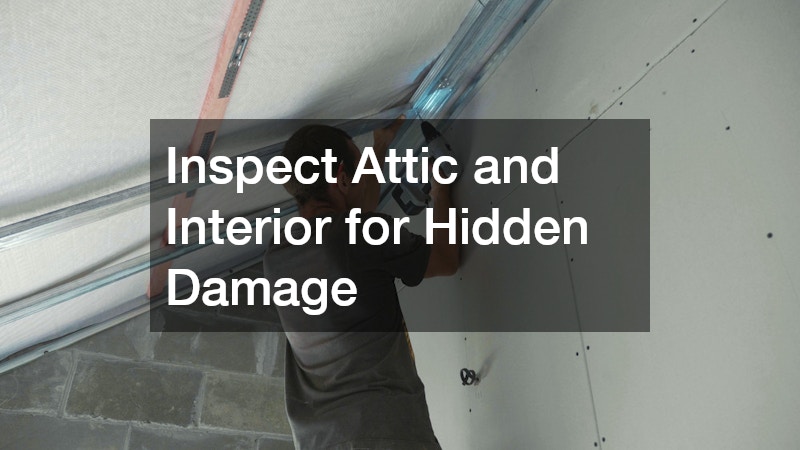
Not all roof problems are visible from above. Your attic and interior spaces can reveal hidden leaks or structural weaknesses that require attention. By inspecting these areas, you can catch problems before they become major headaches. Look closely for signs such as damp insulation, mold growth, or water stains along rafters and ceilings, which can indicate slow leaks. Additionally, checking for sagging beams or soft spots on the roof deck can help identify structural issues that may not be obvious during a surface inspection.
Steps for interior inspection:
- Look for water stains on ceilings, walls, or the underside of the roof deck
- Check insulation for dampness or mold growth
- Identify sagging areas or soft spots on the roof deck, which may indicate structural weakness
Be thorough when checking corners, joints, and areas around chimneys and vents. Sometimes small leaks can travel along rafters before showing up in the middle of a ceiling. If you find evidence of water infiltration or structural damage, calling a professional roofing service can provide a thorough assessment and repair plan. They can detect issues that may be missed during a surface inspection and ensure your home remains safe and dry.
Review Roof Installations for Wear and Tear
Even recently completed roof installations require monitoring to ensure they remain in top condition. Improper installation or early wear can compromise the roof’s protective function. Regular inspections allow you to catch problems before they escalate. Pay close attention to the alignment of shingles, the placement of fasteners, and the quality of sealing around roof edges and penetrations. Seasonal changes, such as heavy rain, snow, or extreme heat, can affect new roofs differently, making it important to check for early signs of wear or shifting materials.
Inspection tips for new installations:
- Check shingle alignment, nails, and fasteners for proper placement
- Look for curling, cracking, or premature wear
- Ensure proper sealing around vents, chimneys, and roof edges
Seasonal changes can affect roof materials differently, especially in areas with extreme weather. By paying attention to these details, you can maintain the longevity of your roof installations and prevent unnecessary repairs. Early detection of issues can also help contractors honor warranties or correct installation defects, saving you time and money.
Examine Exterior Siding and Connections
The connection between your roof and exterior siding is another area particularly prone to water damage and long-term deterioration. Even with durable materials like metal board and batten siding, issues such as gaps, loose panels, rust, or improper sealing near the roofline can allow water to seep behind the siding, potentially causing rot, mold, or structural damage to the underlying framework. Inspecting these areas carefully helps you identify potential leaks early, catch signs of deterioration before they worsen, and ensure that all flashing and sealants are intact and functioning properly. In addition to preventing water intrusion, maintaining a secure connection between the roof and siding contributes to better insulation, energy efficiency, and overall home durability.
Inspection points for siding:
- Check for gaps, loose panels, rust, or paint peeling
- Ensure flashing and sealant around siding edges are intact
- Look for water stains on the siding or underlying structures
Proper inspection and maintenance of siding, combined with roof care, can prevent moisture damage and improve the overall durability of your home. Addressing minor issues promptly can save significant repair costs over time. In addition, proper siding maintenance improves energy efficiency by preventing drafts and heat loss.
Know When to Call Local Experts
While DIY inspections are valuable for spotting obvious issues and keeping your roof and chimney in good condition, there are situations that require professional expertise to ensure safety and proper repair. Understanding the limits of your skills, tools, and physical ability is essential, as attempting complicated or high-risk repairs on your own can lead to injury or further damage to your home. Local roofing companies have the training, equipment, and experience to assess structural problems, perform complex repairs, and identify hidden issues that a DIY inspection might miss. They can safely navigate steep or fragile roofs, properly repair flashing, vents, or chimneys, and ensure that all work meets building codes and industry standards. Additionally, professional roofing contractors can provide long-term solutions, offer warranties on their work, and give advice on preventative maintenance that helps protect your home for years to come.
Guidelines for calling local experts:
- If the roof is steep, old, or heavily damaged
- If you notice persistent leaks despite minor repairs
- If chimney or flashing damage appears severe or widespread
Working with reputable local roofing companies ensures that repairs are done correctly and safely. They can provide professional assessments, emergency roof repairs, and routine maintenance that extends the lifespan of your home’s roof and chimney. Local experts are also familiar with common weather-related damage in your area, making their guidance especially valuable for long-term prevention.
Regular roof and chimney inspections are vital for protecting your home from water damage, structural issues, and safety hazards. By following proper safety protocols, performing thorough visual and hands-on inspections, and monitoring both interior and exterior areas, you can catch problems early and prevent costly repairs.
Even simple steps like checking gutters, inspecting attic spaces, or reviewing siding connections can make a significant difference in maintaining the integrity of your home. Combining DIY inspections with professional assistance when necessary ensures that your roof and chimney remain in excellent condition for years to come. Consistency, attention to detail, and timely intervention are key to safeguarding your home’s value and safety.